
The Q Conference 2025, held last year in Kiel, Germany, delivered a comprehensive examination of offshore wind energy’s trajectory through rapid technological advancement and grid integration challenges. For renewable energy professionals evaluating knowledge-sharing opportunities or seeking retrospective insights, the conference proved most valuable for its candid discussions of permitting obstacles, supply chain realities, and cross-border collaboration frameworks that continue shaping project timelines across Northern Europe today.
What distinguished the 2025 gathering from previous iterations was its unflinching focus on implementation barriers rather than aspirational targets. While the broader conference wind energy circuit often emphasizes technological breakthroughs, this event prioritized the practical challenges developers face between financial close and first power. Sessions drew heavily from case studies of delayed projects, with developers sharing granular data on permitting timelines, environmental survey requirements, and stakeholder engagement processes that extended commissioning dates by 18 to 24 months.
For professionals outside the wind sector, including those primarily focused on solar deployment, the conference offered transferable lessons on regulatory navigation and utility-scale project finance structures. The international perspective proved particularly relevant, with presentations covering auction design across five European markets and comparative analysis of support mechanisms that inform broader renewable energy policy discussions. Participants gained concrete insights into supply chain diversification strategies, component sourcing alternatives, and risk allocation frameworks applicable across renewable technologies.
The following sessions and themes represent the most significant contributions from the conference, selected for their ongoing relevance to project developers, policymakers, and engineers working across the renewable energy landscape today.
Understanding Q Conference: Background and Selection Criteria
Q Conference emerged in the renewable energy sector as a platform dedicated to accelerating clean energy deployment through targeted knowledge exchange and industry collaboration. Unlike broader energy conferences that span fossil fuels and renewables, Q Conference positions itself specifically within the clean energy transition, making it particularly relevant for professionals navigating the complexities of wind power development.
For wind energy professionals, conferences like Q serve a distinct purpose beyond typical industry gatherings. They function as critical exchange points where emerging turbine technologies meet real-world deployment challenges, where regulatory frameworks get dissected by practitioners who’ve actually navigated them, and where international markets share lessons that can save projects years of trial and error. The 2025 edition focused heavily on offshore wind expansion and cross-border supply chain coordination, topics that directly impact project timelines and cost structures.
The conference’s value lies in its curation. Rather than presenting every available speaker, Q Conference prioritizes practitioners with hands-on project experience alongside policymakers who’ve shaped regulatory environments. This combination creates dialogue between theory and implementation, something particularly valuable in wind energy where technical specifications must align with grid requirements, environmental considerations, and community acceptance.
Several criteria made Q Conference 2025 worth highlighting for professionals in 2026. First, the speaker roster included project directors from operational offshore wind farms across Europe and Asia, offering insights unavailable in technical papers. Second, sessions addressed supply chain resilience following the disruptions that reshaped renewable manufacturing in the early 2020s. Third, the conference maintained strong international representation, crucial for an industry where technology, talent, and capital flow across borders. Finally, workshop formats enabled deep dives into specific challenges rather than surface-level overviews, making attendance a genuine learning investment rather than passive information consumption.
1. Offshore Wind Technology Innovation Sessions
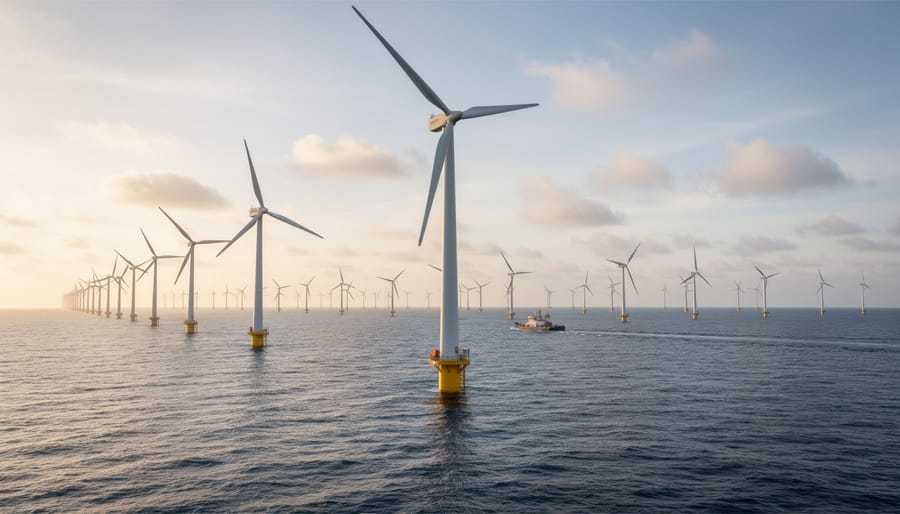
Q Conference 2025’s offshore wind technology sessions attracted unprecedented attention from industry leaders, drawing over 300 specialists who gathered to examine the sector’s most pressing technical challenges. These sessions proved particularly valuable because they addressed the economic and engineering hurdles that had limited offshore deployment in markets where renewable investment was accelerating but practical offshore experience remained limited.
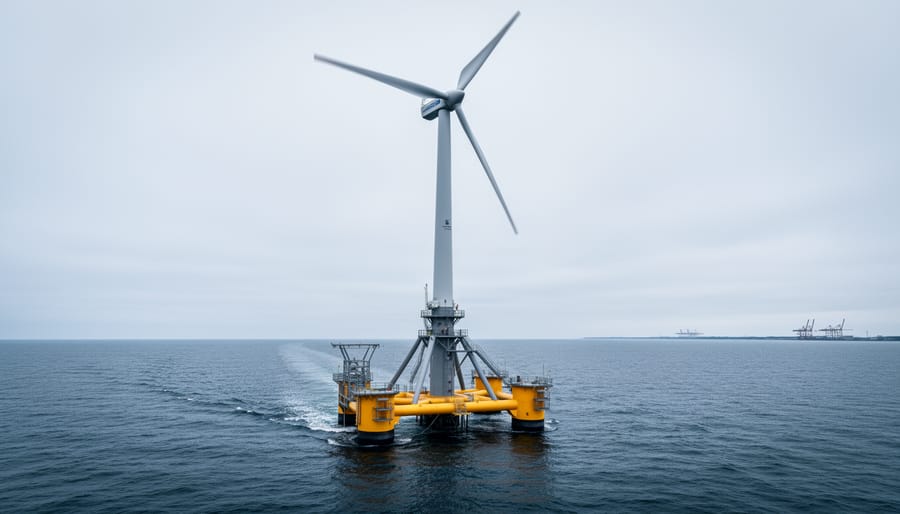
The floating turbine technology presentations delivered several breakthrough insights that continue shaping project planning in 2026. Engineers from Norway, Japan, and Scotland shared operational data from pilot installations in waters exceeding 200 meters depth, demonstrating how semi-submersible and spar-buoy platforms performed under real-world conditions. These weren’t theoretical models, they were actual performance metrics that revealed both the promise and limitations of floating platforms in different marine environments.
Conference participants identified several technical advancements that have since influenced project specifications:
- Dynamic cable systems that accommodate platform movement while maintaining grid connection integrity in depths beyond fixed-foundation limits
- Mooring configurations optimized for different seabed types, reducing installation costs by up to 30% compared to earlier designs
- Predictive maintenance protocols using remote monitoring to address component wear before failures occur in hard-to-access offshore locations
- Grid integration solutions managing the variable output from floating installations through advanced forecasting and storage coordination
The grid integration discussions proved especially relevant because they tackled transmission challenges that had constrained offshore capacity additions. Presenters examined how Denmark and Germany managed power fluctuations from large offshore arrays, sharing specific control strategies and infrastructure requirements. For professionals planning offshore projects in 2026, these sessions provided a roadmap for avoiding the grid bottlenecks that plagued earlier deployments, offering practical frameworks rather than aspirational concepts.
2. Policy and Regulatory Framework Discussions
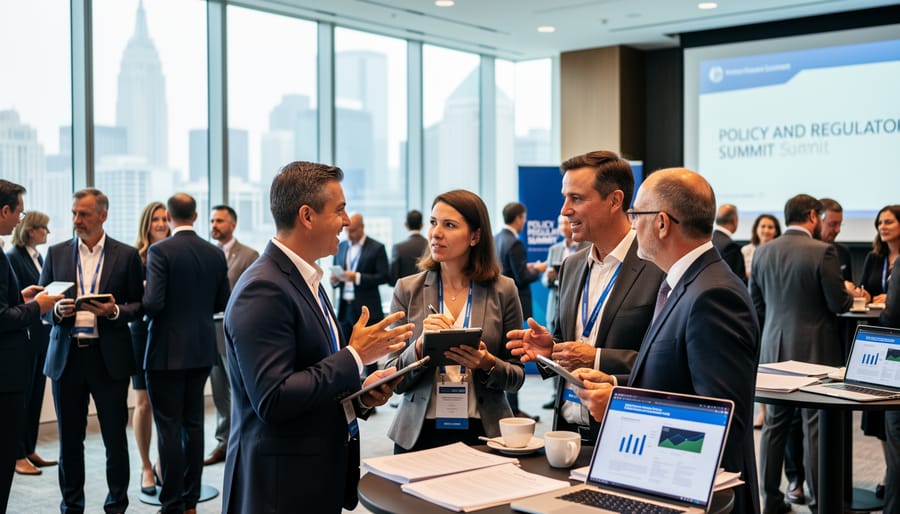
The Q Conference 2025 dedicated substantial programming to navigating the increasingly complex regulatory environment facing wind energy deployment. Several panel discussions examined how different jurisdictions approach permitting timelines, with European developers sharing frameworks that compressed approval processes from five years to eighteen months through streamlined environmental assessments and pre-approved development zones.
A particularly well-attended session compared offshore wind leasing mechanisms across markets. Speakers from Denmark outlined their centralized planning model, where governments pre-assess sites and handle grid connections before auctioning development rights. This contrasted sharply with the ad-hoc approaches still common in emerging markets, where developers shoulder responsibility for environmental studies, grid planning, and stakeholder consultation, adding years to project timelines and significant financial risk.
Government incentive structures received critical analysis. Conference presentations demonstrated how production tax credits in certain markets created perverse incentives favouring larger turbines regardless of site suitability, while feed-in tariff systems in other regions better matched technology to local wind resources. The consensus among policy experts was that regulatory stability matters more than incentive generosity, abrupt policy shifts have stranded billions in planned investments.
International harmonization emerged as a recurring theme, with calls for standardized technical specifications that would allow component manufacturers to serve multiple markets without costly re-engineering. Representatives from standards organizations outlined progress toward unified safety protocols for floating offshore platforms, though they acknowledged political barriers to full regulatory convergence.
These policy discussions proved prescient. Several jurisdictions subsequently adopted streamlined permitting processes modeled on frameworks presented at the conference, demonstrating how such gatherings translate academic policy analysis into practical regulatory reform that accelerates deployment.
3. Supply Chain Resilience and Manufacturing Insights
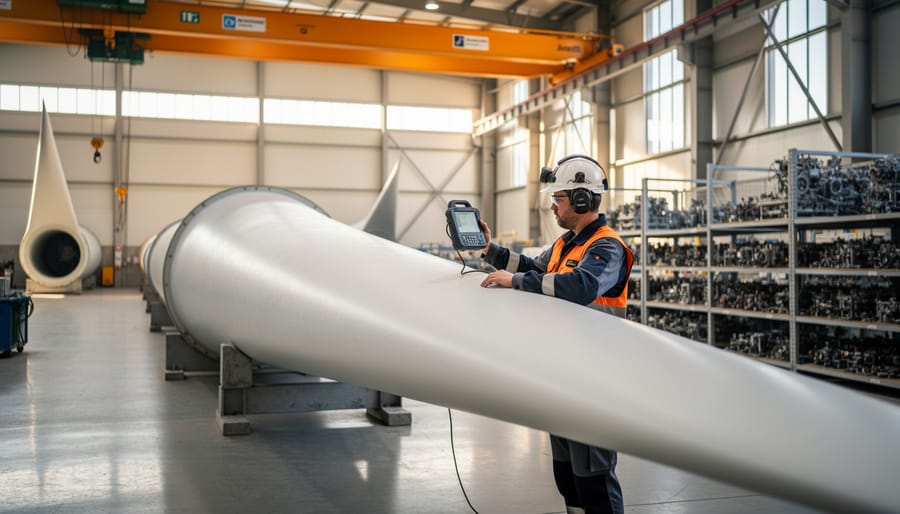
The Q Conference 2025 sessions on supply chain resilience delivered sobering assessments of manufacturing bottlenecks constraining wind energy expansion worldwide. Presenters documented persistent delays in nacelle component delivery, particularly for the specialized bearings and gearboxes required for larger turbine models. Several manufacturers candidly discussed how concentrated production in single geographic regions created vulnerabilities exposed during global shipping disruptions.
Manufacturing capacity discussions centered on the practical challenges of scaling production to meet 2025-2030 deployment targets. Industry representatives from Europe, Asia, and North America detailed their expansion plans while acknowledging skilled workforce shortages and the lengthy qualification processes for new production facilities. One particularly valuable session examined materials innovation, including advanced composites for longer turbine blades and corrosion-resistant coatings extending offshore component life expectancy.
The most actionable insights emerged from panels examining diversification strategies. Companies shared specific approaches for developing secondary supplier networks across multiple continents, reducing reliance on any single manufacturing hub. These discussions paralleled similar challenges in the solar sector, where global solar partnerships have demonstrated how international collaboration strengthens supply security while lowering costs.
Conference participants emphasized that resilient supply chains require transparency. Several manufacturers presented digital tracking systems providing real-time visibility into component production status and shipping logistics. These tools proved essential during the referenced disruptions, allowing project developers to adjust installation schedules proactively rather than discovering delays at critical moments.
The recurring message: supply chain resilience isn’t achieved through procurement contracts alone but through sustained relationships with manufacturers, logistics providers, and regulatory bodies across the international markets where wind energy deployment continues accelerating.
4. Cross-Sector Collaboration: Wind and Solar Integration
The Q Conference 2025 sessions on hybrid renewable installations revealed practical solutions to one of the grid’s fundamental challenges: matching variable generation with demand curves. Wind and solar resources produce electricity on different temporal patterns, with wind often peaking during winter months and nighttime hours while solar dominates summer afternoons. Industry leaders demonstrated how colocating these technologies on shared infrastructure reduces development costs while creating more predictable aggregate output.
Conference participants examined real operational data from hybrid facilities across three continents, showing that paired wind-solar sites achieve 30-40% higher capacity factors than single-technology installations. This matters beyond simple generation statistics. Smoother combined output reduces the need for expensive peaking plants and curtailment, making grid integration technically simpler and economically viable. Engineers presented optimization models that determine ideal wind-to-solar ratios based on local weather patterns and load profiles.
The energy storage sessions connected directly to hybrid projects, explaining how battery systems sized for solar’s evening ramp can also absorb excess wind generation overnight. Understanding the types of energy storage available helps developers match technology to site-specific generation profiles. Lithium-ion batteries handle short-duration smoothing, while flow batteries and compressed air systems serve longer-duration needs at hybrid installations.
Workshop discussions addressed shared permitting processes, common electrical infrastructure, and unified power purchase agreements that treat wind-solar combinations as single assets. These administrative streamlines reduce project timelines by 18-24 months compared to developing separate facilities, a finding particularly relevant for markets racing to meet 2030 renewable targets.
5. Workforce Development and Skills Transfer Programs
The Q Conference 2025 dedicated substantial programming to workforce challenges facing the wind energy sector, recognizing that technological advancement means little without skilled professionals to implement it. Several workshops examined the widening skills gap as the industry scales up deployment across multiple continents, with particular focus on how emerging offshore technologies demand capabilities that don’t yet exist in traditional energy curricula.
Presentations from technical training organizations outlined competency frameworks for floating wind installation, which requires combinations of maritime engineering knowledge, structural analysis expertise, and high-voltage electrical skills. Speakers emphasized that many current professionals possess one or two of these competencies but rarely all three, creating bottlenecks in project execution. One Danish training consortium shared results from a pilot program integrating offshore oil and gas workers into wind operations, demonstrating how adjacent industry experience can be effectively transferred with targeted retraining modules.
The international mobility sessions proved particularly valuable for companies operating across regions. Representatives from projects in Asia, Europe, and South America discussed regulatory barriers to cross-border workforce deployment, work permit standardization challenges, and how different markets approach professional certification reciprocity. These practical discussions highlighted that technical skills alone don’t guarantee project success when administrative frameworks impede talent movement.
Conference organizers facilitated knowledge exchange between academic institutions and industry employers, with universities presenting updated curriculum designs incorporating digital twin technology, predictive maintenance systems, and autonomous inspection methods. Several sessions explored apprenticeship models that combine classroom learning with hands-on turbine exposure, addressing the persistent disconnect between theoretical knowledge and field requirements.
The workforce track reinforced that conferences serve essential functions beyond technology showcases, they create forums where industry stakeholders collectively address systemic challenges like talent development that no single organization can solve alone.
6. Environmental Impact Assessment and Biodiversity Protection
Environmental impact assessment emerged as a central theme at Q Conference 2025, reflecting the wind energy sector’s maturation beyond purely technical concerns. Sessions addressing biodiversity protection demonstrated how developers now integrate ecological considerations from the earliest planning stages rather than treating them as regulatory hurdles.
The conference featured detailed presentations on collision risk modelling for avian species, with researchers sharing refined methodologies for predicting bird and bat mortality rates at proposed turbine sites. These sessions revealed how acoustic deterrents and seasonal shutdown protocols have evolved significantly, reducing bat fatalities by up to 70% at monitored installations without substantially compromising energy generation. Developers shared case studies demonstrating that strategic micrositing decisions informed by multi-season wildlife surveys consistently outperformed blanket mitigation approaches applied after construction.
Marine ecosystem protection received particular attention in offshore wind discussions. Speakers outlined how foundation pile-driving noise affects cetacean behavior and fish spawning patterns, presenting innovative bubble curtain systems and alternative installation techniques that minimize acoustic disruption. The conference highlighted emerging research on artificial reef effects, where turbine foundations create new habitats for certain species while potentially altering existing benthic communities.
Community engagement practices formed a critical component of these environmental sessions. Professionals learned how to leverage conferences to share stakeholder consultation frameworks that successfully balanced environmental protection with project viability. Presenters emphasized transparency in impact disclosure and demonstrated how early engagement with conservation groups and local communities reduces opposition and improves environmental outcomes. The sessions underscored that effective biodiversity protection requires integrating scientific monitoring, adaptive management strategies, and genuine stakeholder partnership throughout a project’s lifecycle.
The Value of Wind Energy Conference Participation in 2026
Wind energy conferences offer professionals concrete returns that extend well beyond the event itself. The Q Conference 2025 demonstrated how focused industry gatherings accelerate knowledge transfer that might otherwise take months or years to disseminate through traditional channels. For professionals working across international markets, these events provide concentrated exposure to emerging technologies, regulatory shifts, and operational strategies that directly inform project decisions and career development.
Evaluating which conferences deserve your time and budget requires clear criteria. Look for events with speaker lineups featuring practitioners actively deploying projects, not just consultants discussing theory. Check whether the agenda addresses specific technical challenges you’re facing rather than offering only high-level overviews. Consider the attendee profile: conferences drawing participants from diverse markets create networking opportunities that can unlock partnerships, vendor relationships, and market intelligence unavailable through desk research.
Maximizing learning outcomes starts before you arrive. Identify three specific questions you need answered, then build your session schedule around speakers likely to address them. Take notes focused on actionable insights rather than trying to capture everything verbatim. Schedule meetings with exhibitors showing relevant technologies, and prepare specific questions about performance data, implementation timelines, and support structures.
How do I justify conference attendance costs to my organization?
Document specific knowledge gaps the conference will address, estimate time savings from accelerated learning versus independent research, and plan post-event knowledge sharing sessions for colleagues. Many organizations find that insights from one critical session can prevent costly project mistakes that far exceed attendance costs.
What’s the best way to maintain connections made at conferences?
Follow up within a week while conversations remain fresh, connect on professional networks with a personalized note referencing your discussion, and share relevant articles or data when you encounter information aligned with their interests. Quality matters more than quantity in professional networking.
Are regional conferences as valuable as major international events?
Regional conferences often provide deeper insight into specific market conditions, regulatory environments, and local supply chains that international events can’t match. The ideal strategy combines both: international events for broad technological trends and regional gatherings for market-specific intelligence.
Applying conference insights to real-world projects requires systematic knowledge transfer. Create a brief summary document highlighting key takeaways relevant to your organization’s current projects, with specific recommendations for implementation. Share this with project teams and decision-makers within two weeks, while the information remains timely. Reference conference learnings in project planning discussions to demonstrate how external knowledge informs internal strategy.
The renewable energy sector’s rapid evolution makes ongoing professional development non-negotiable. Conferences serve as concentrated learning opportunities that complement day-to-day experience, providing exposure to approaches tested in different markets and technical contexts. For professionals committed to advancing wind energy deployment, strategic conference participation represents an investment in expertise that compounds over time.
Q Conference 2025 demonstrated that cross-sector dialogue remains essential to advancing renewable energy deployment worldwide. The sessions highlighted here, from offshore innovation to supply chain resilience, show how knowledge sharing accelerates technological adoption and refines best practices across markets. Wind energy professionals who engage with these collaborative forums gain competitive advantages: earlier awareness of emerging technologies, deeper understanding of policy shifts, and practical insights that translate directly to project success.
The conference’s emphasis on wind-solar integration reflects broader industry recognition that the energy transition requires coordinated approaches rather than siloed thinking. Engineers, policymakers, and project developers who understand both technologies can design more resilient grid systems and optimize resource allocation across renewable portfolios.
Since 1947, this publication has prioritized delivering accurate, timely information to renewable energy professionals navigating evolving technologies and markets. The insights from Q Conference 2025 exemplify why industry gatherings matter, they compress months of individual research into concentrated learning opportunities while fostering relationships that drive future collaboration.
Looking ahead, professionals who actively participate in knowledge-sharing platforms position themselves and their organizations at the forefront of the renewable transition. The collective expertise exchanged at conferences shapes standards, influences policy, and ultimately accelerates the global shift toward sustainable energy systems.